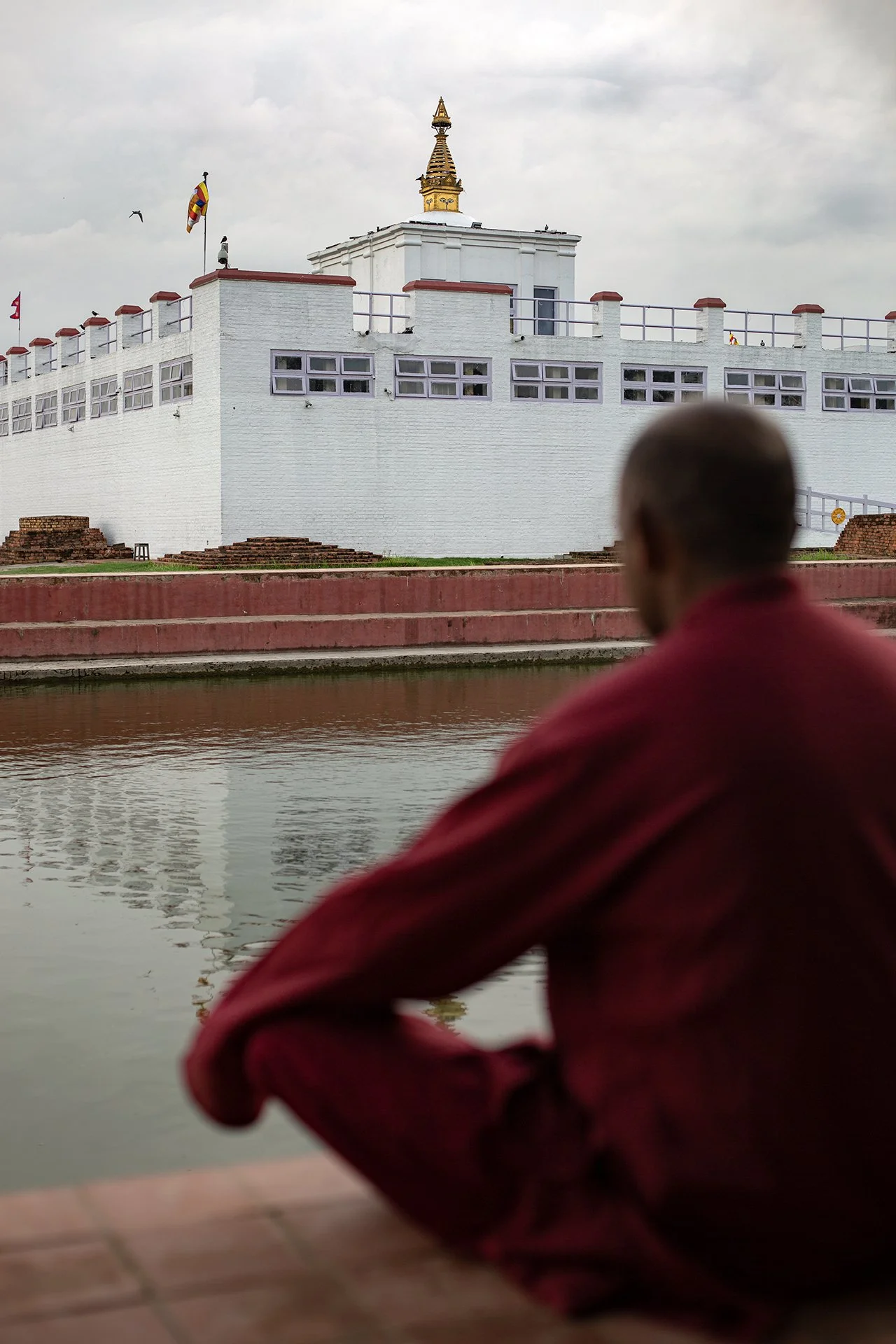
Maya Devi Temple, birthplace of Siddhartha, Lumbini

Maya Devi Temple, birthplace of Siddhartha, Lumbini
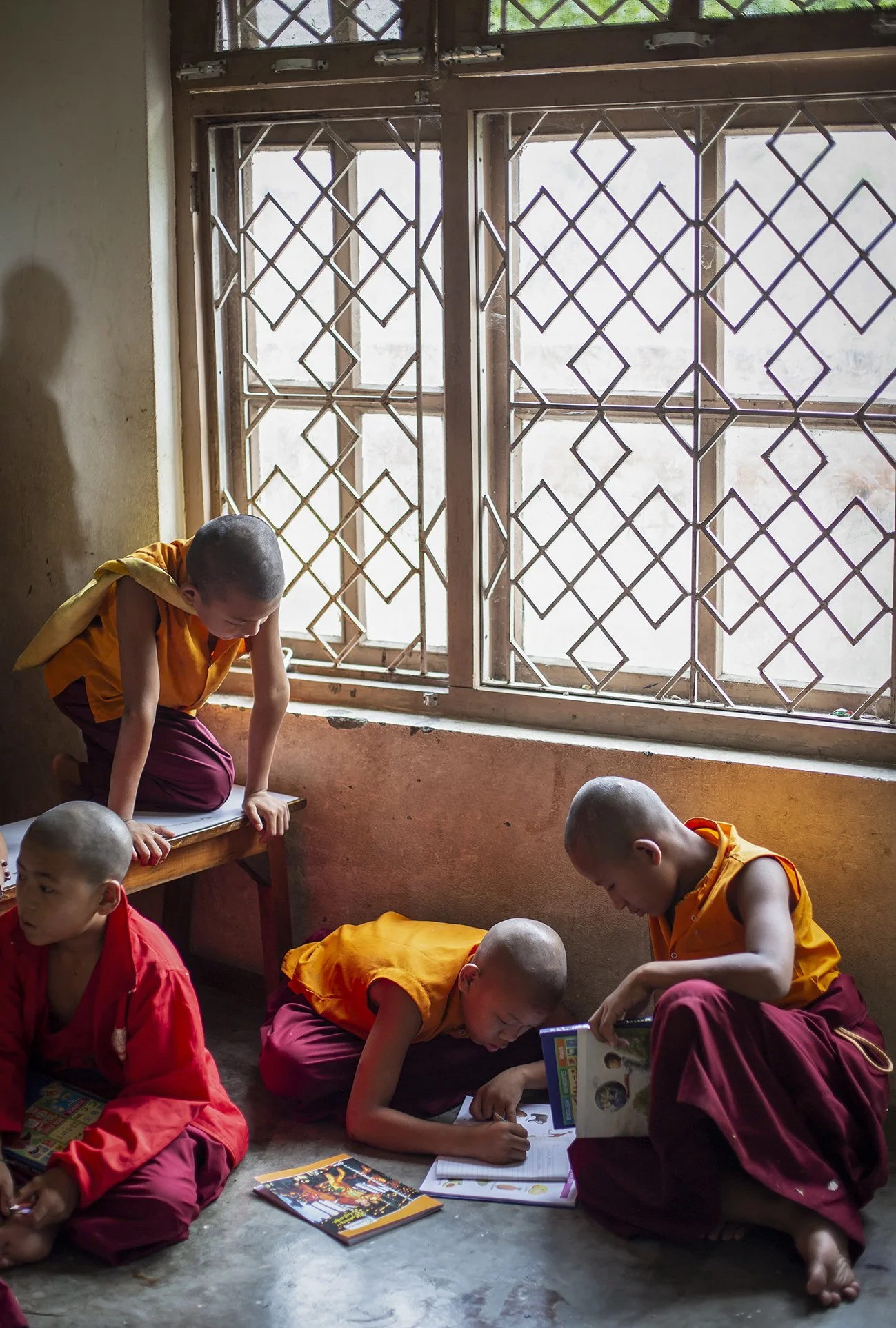
Young monks, Lumbini
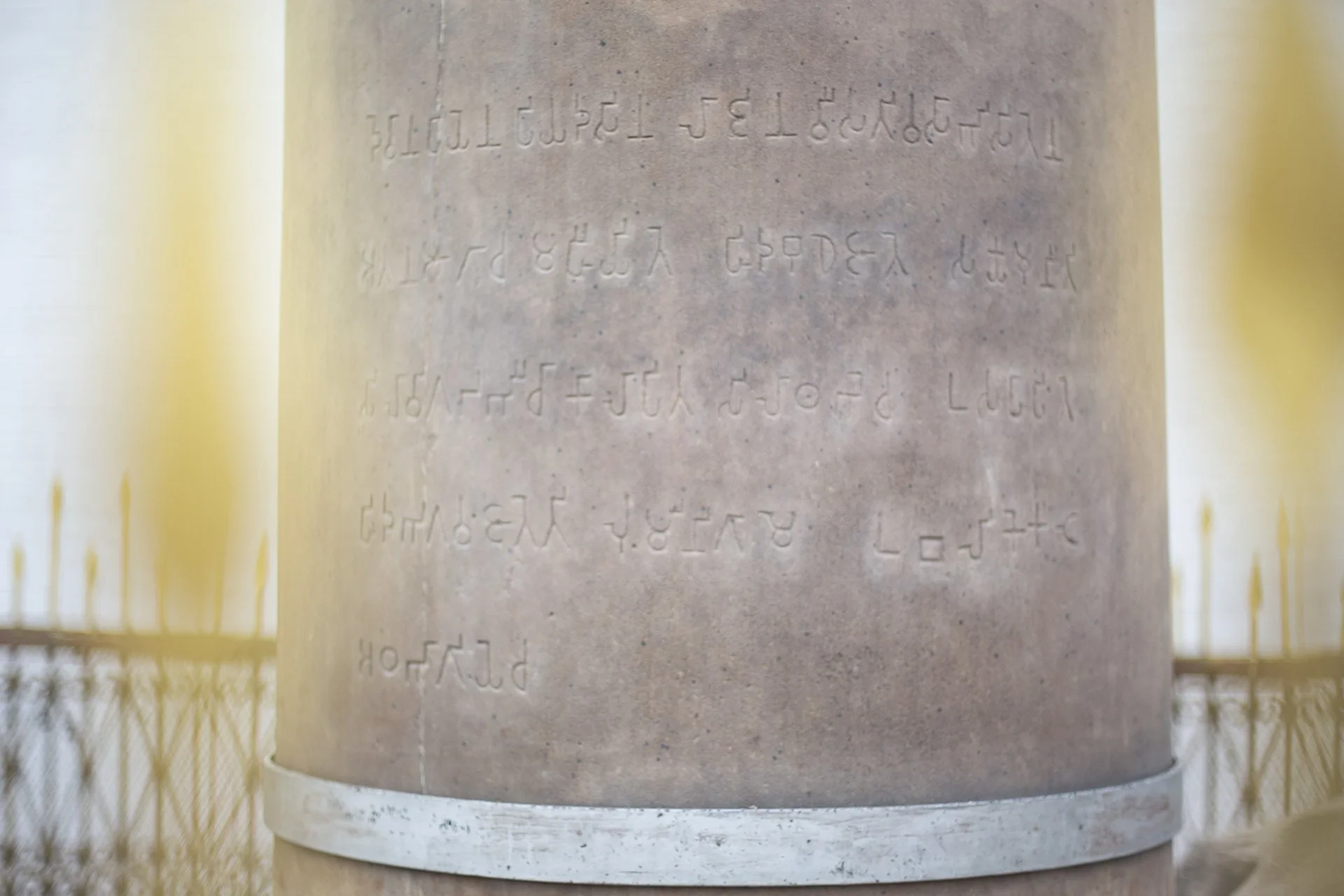
Early inscriptions, Ashoka Pillar, Lumbini
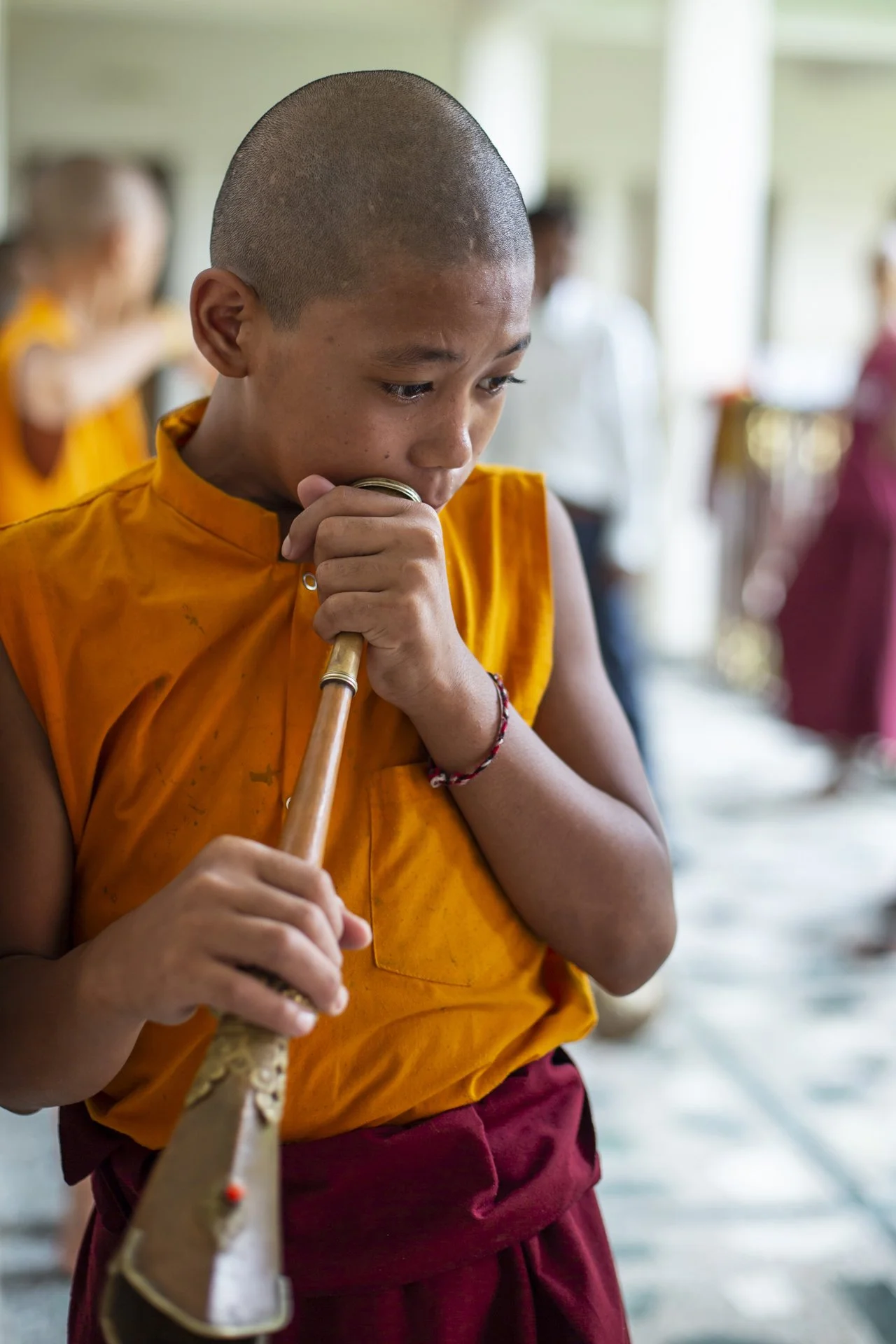
Music lesson, Lumbini
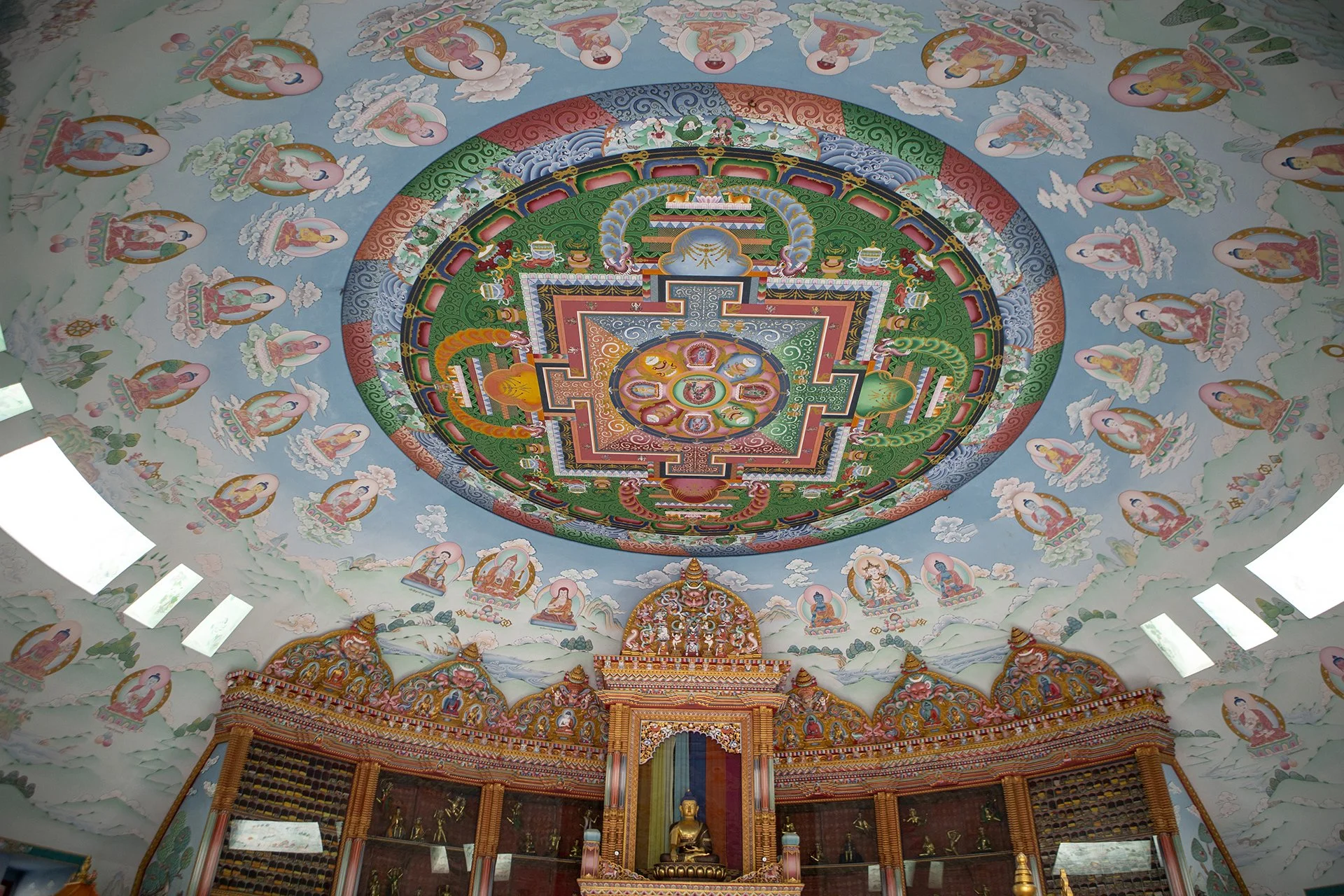
Mandala, Lumbini

Remnants of Siddhartha’s princely home before renunciation, Kapilavastu
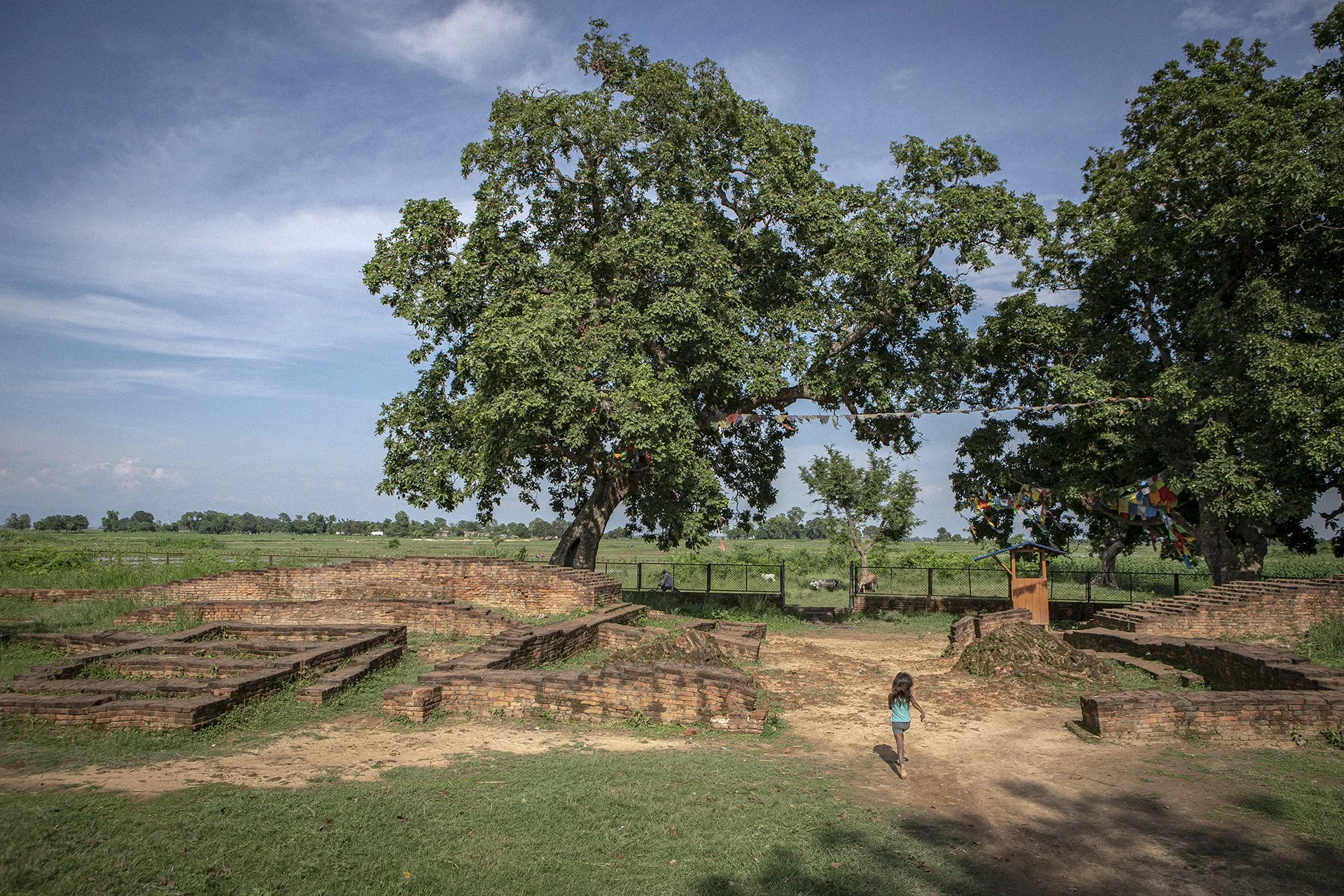
The gate through which Siddhartha walked and renounced the material world, Kapilavastu
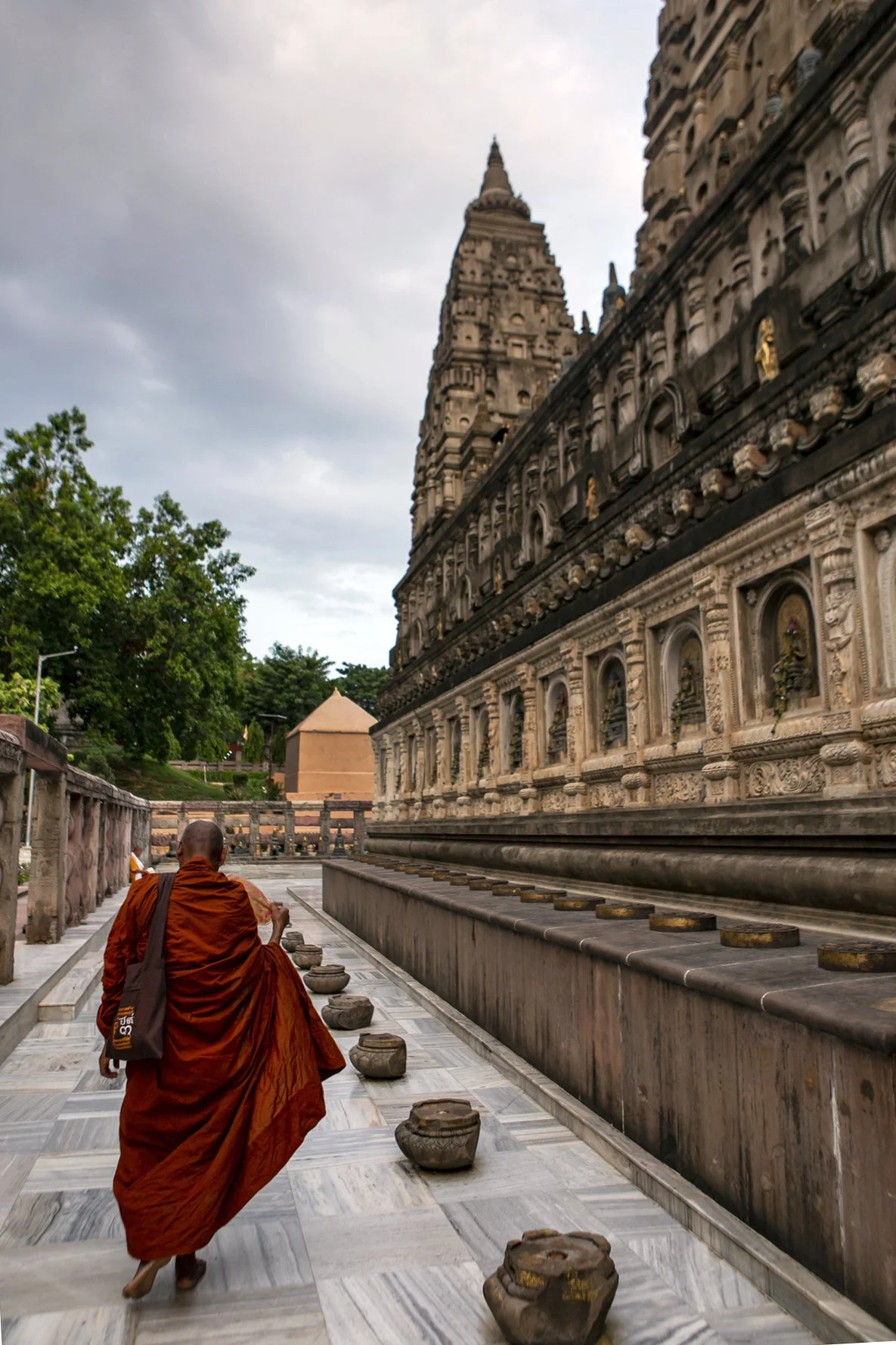
Mahabodhi Temple, Bodh Gaya
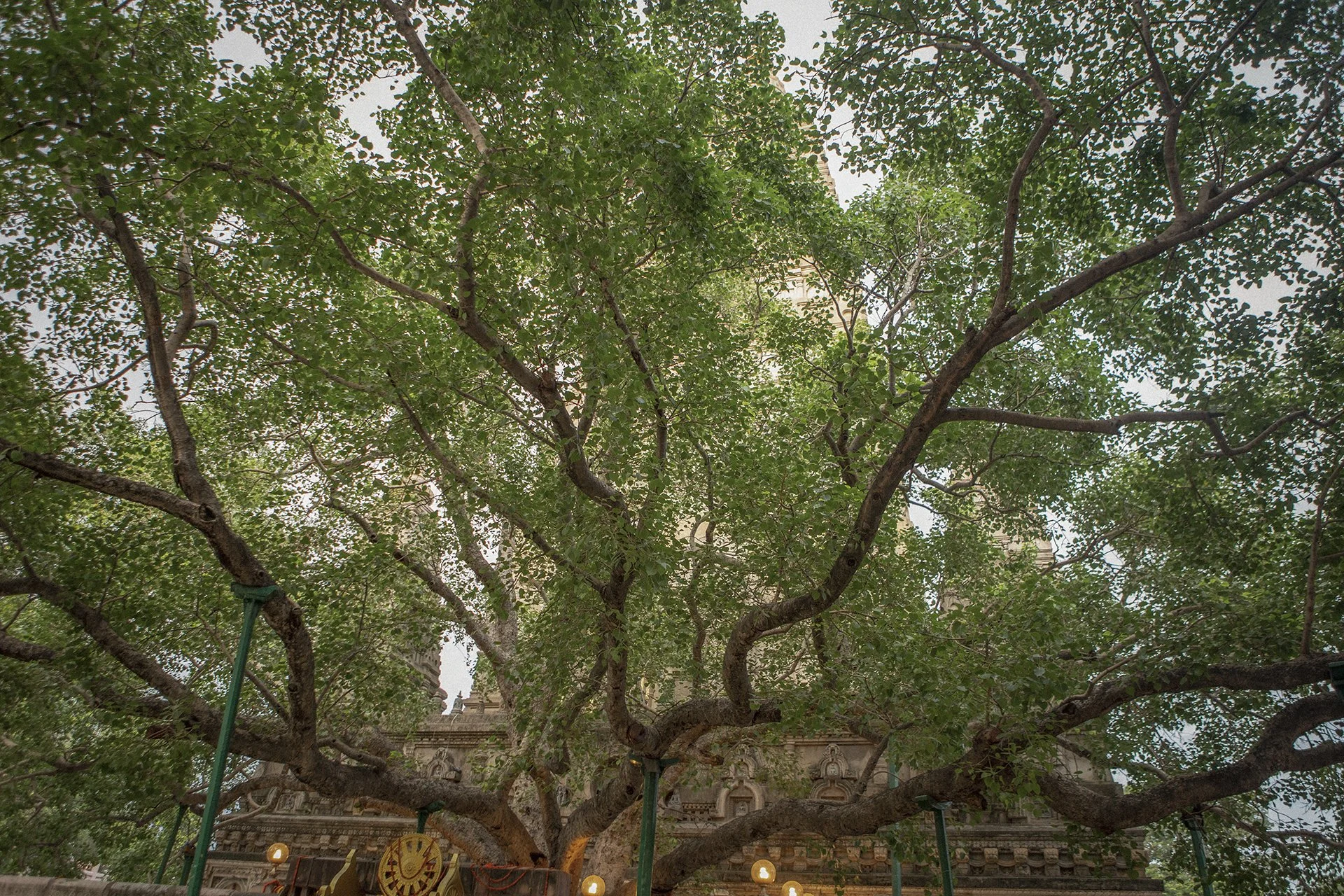
The Bodhi Tree, the site of the Buddha’s enlightenment, Bodh Gaya

Monks in training, Mahabodhi Temple, Bodh Gaya
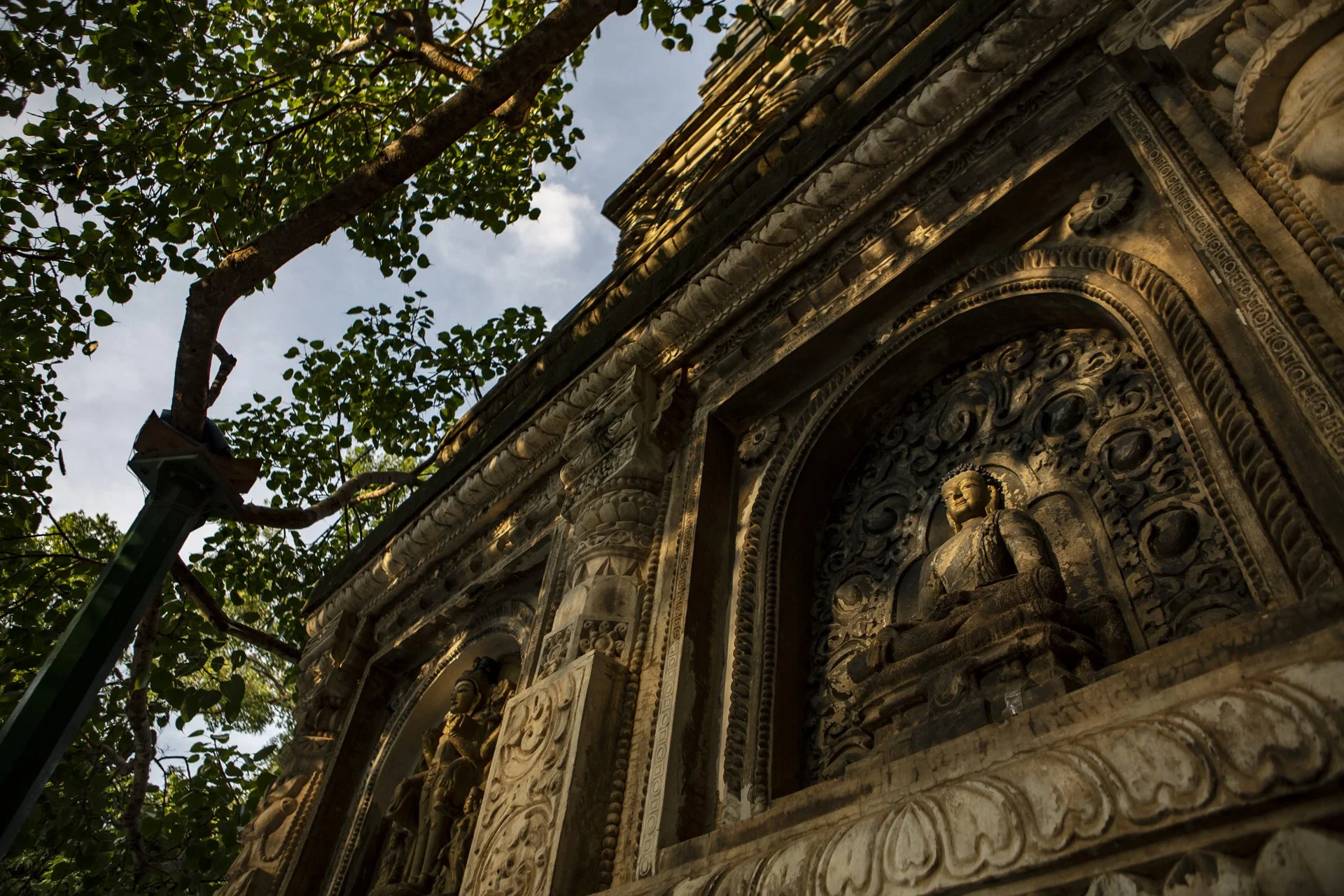
Mahabodhi Temple, Bodh Gaya

Monks in training, Mahabodhi Temple, Bodh Gaya
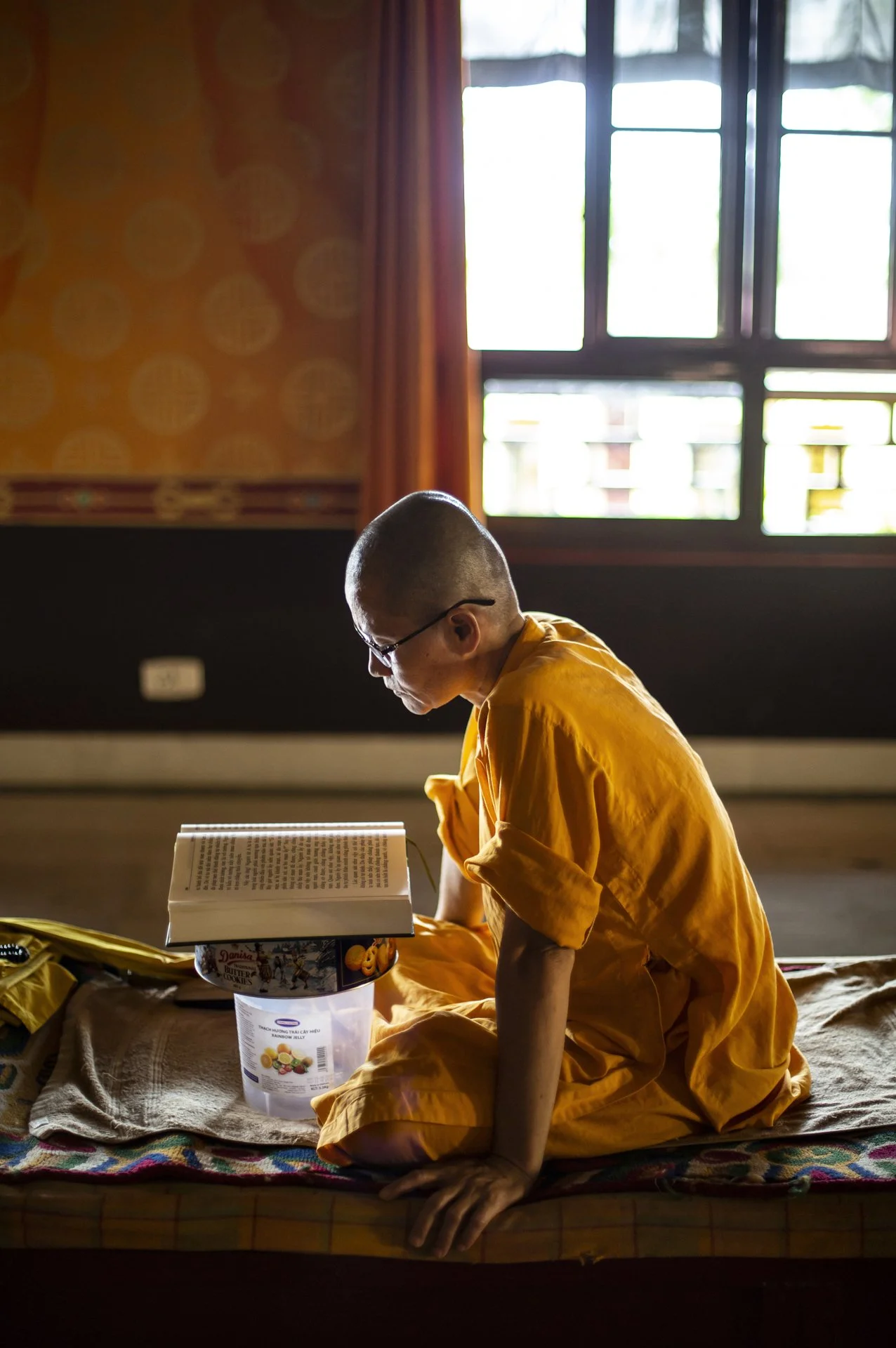
Nun in training, Bodh Gaya

Under the Bodhi Tree, Bodh Gaya
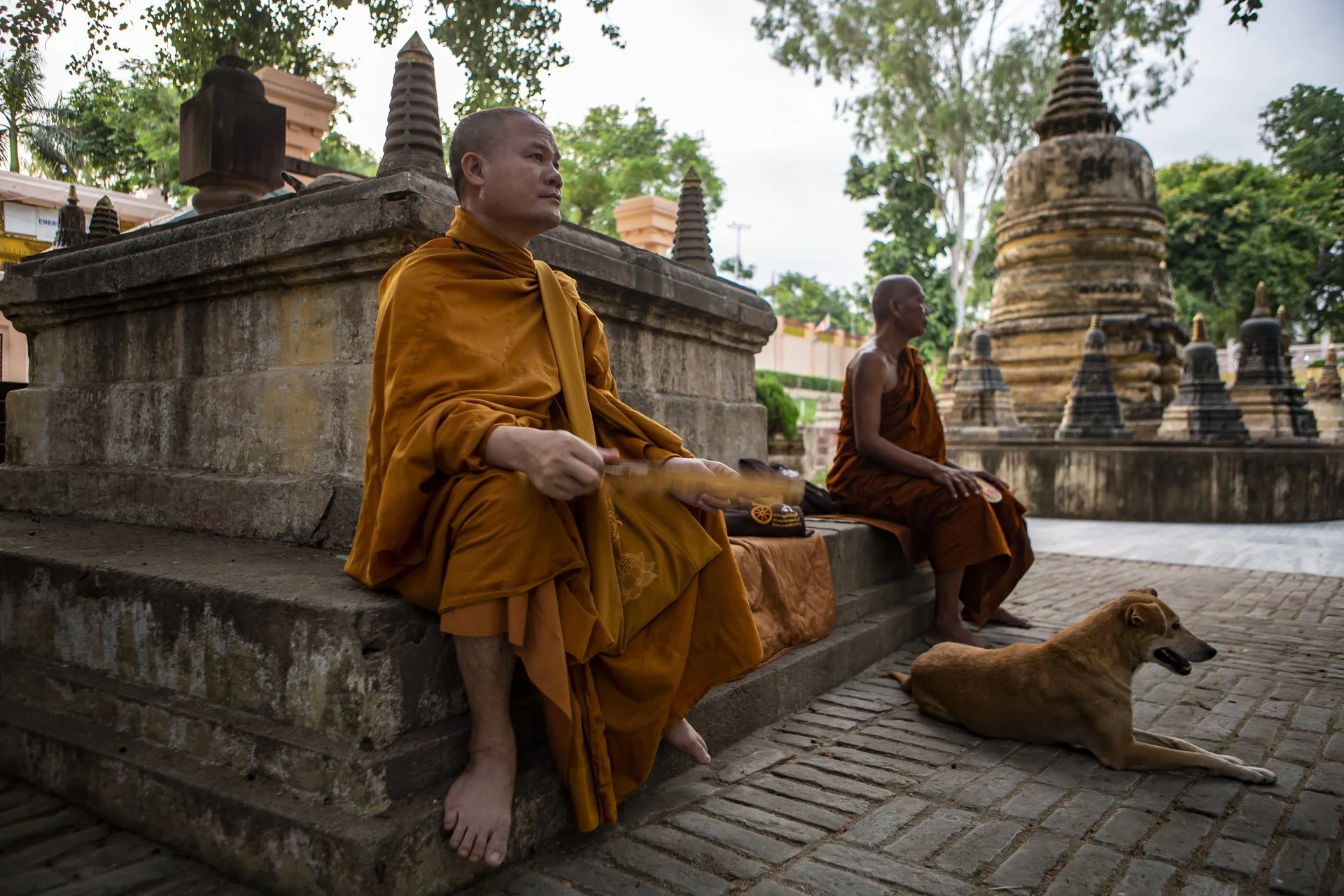
Monks at the Mahabodhi temple
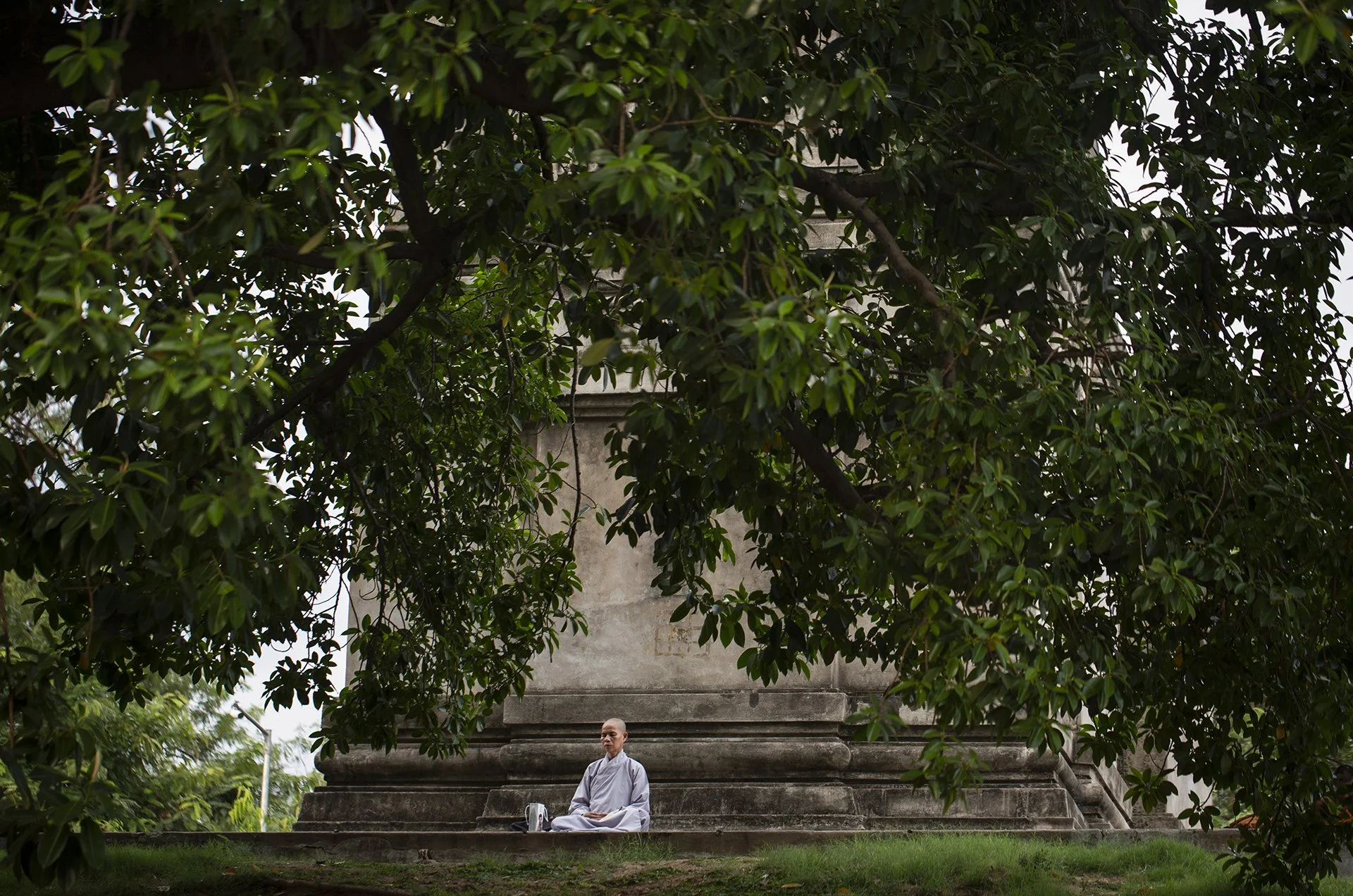
A nun in meditation under the Bodhi tree, Bodh Gaya
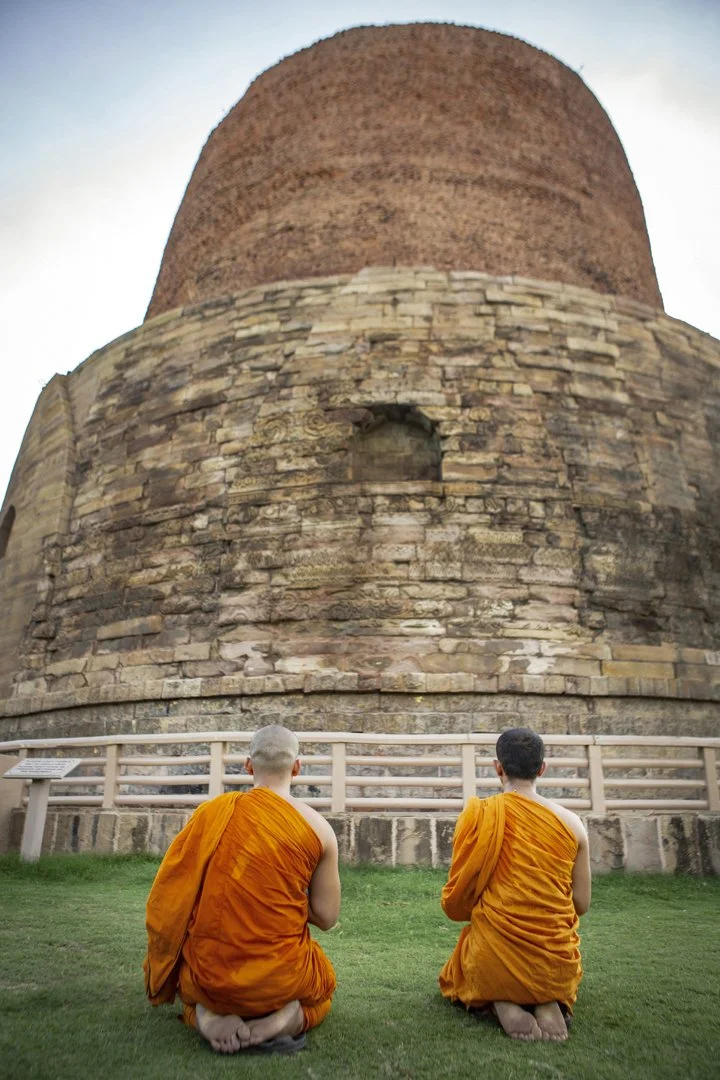
Dhamek Stupa, where Buddha delivered his first sermon after enlightenment, Sarnath
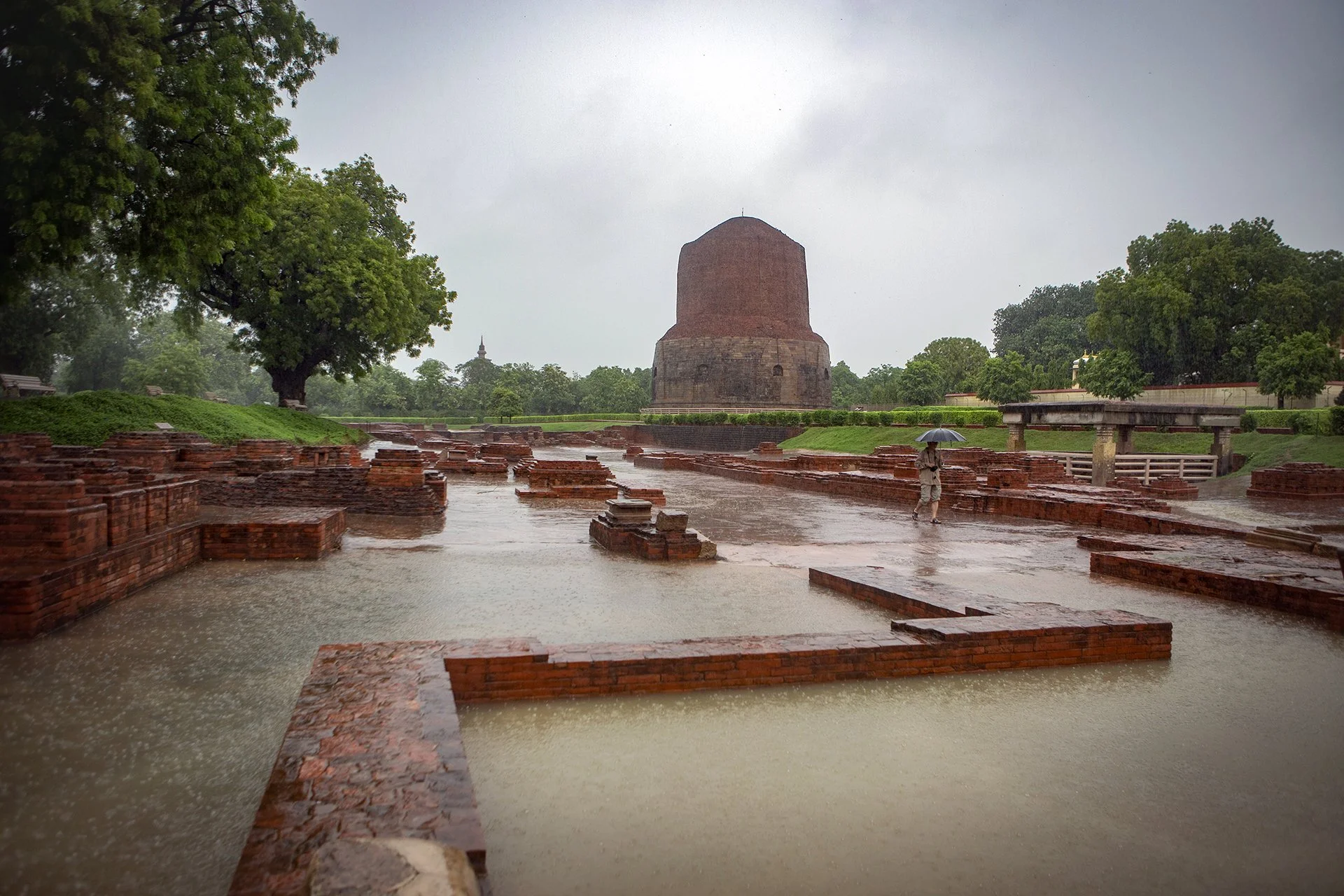
Dhamek Stupa in the monsoon, Sarnath
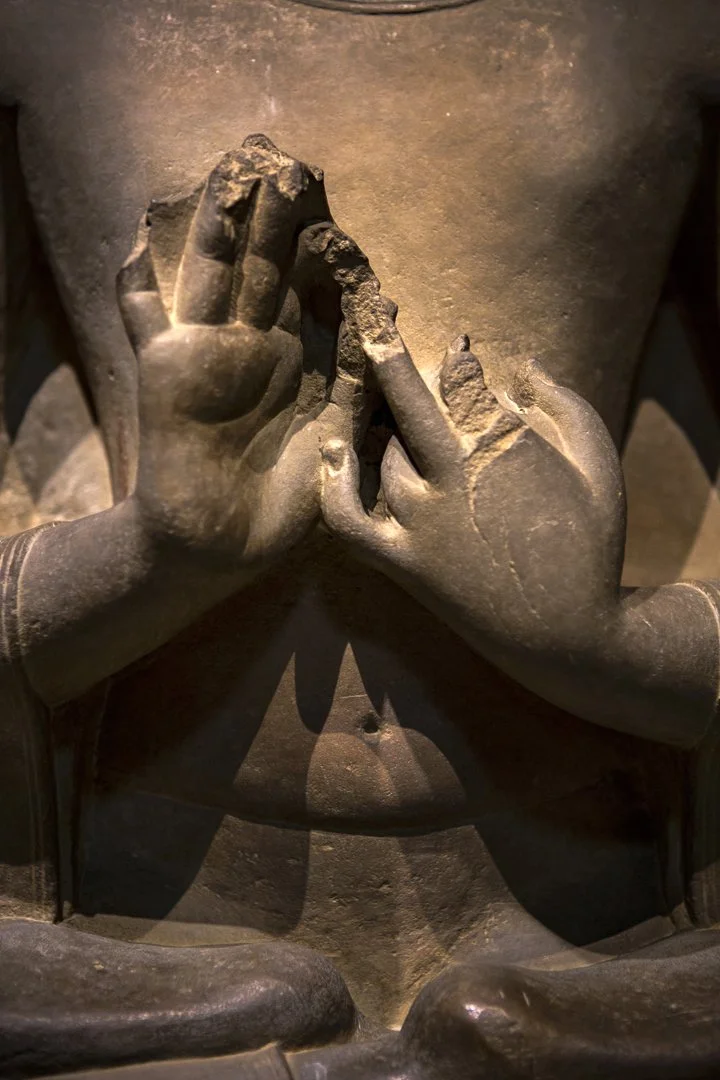
Dharmachakra Mudra, symbol of the Buddha’s first sermon, setting the Wheel of Dharma in motion, Sarnath

Where Buddha spent many monsoons teaching disciples, Sravasti
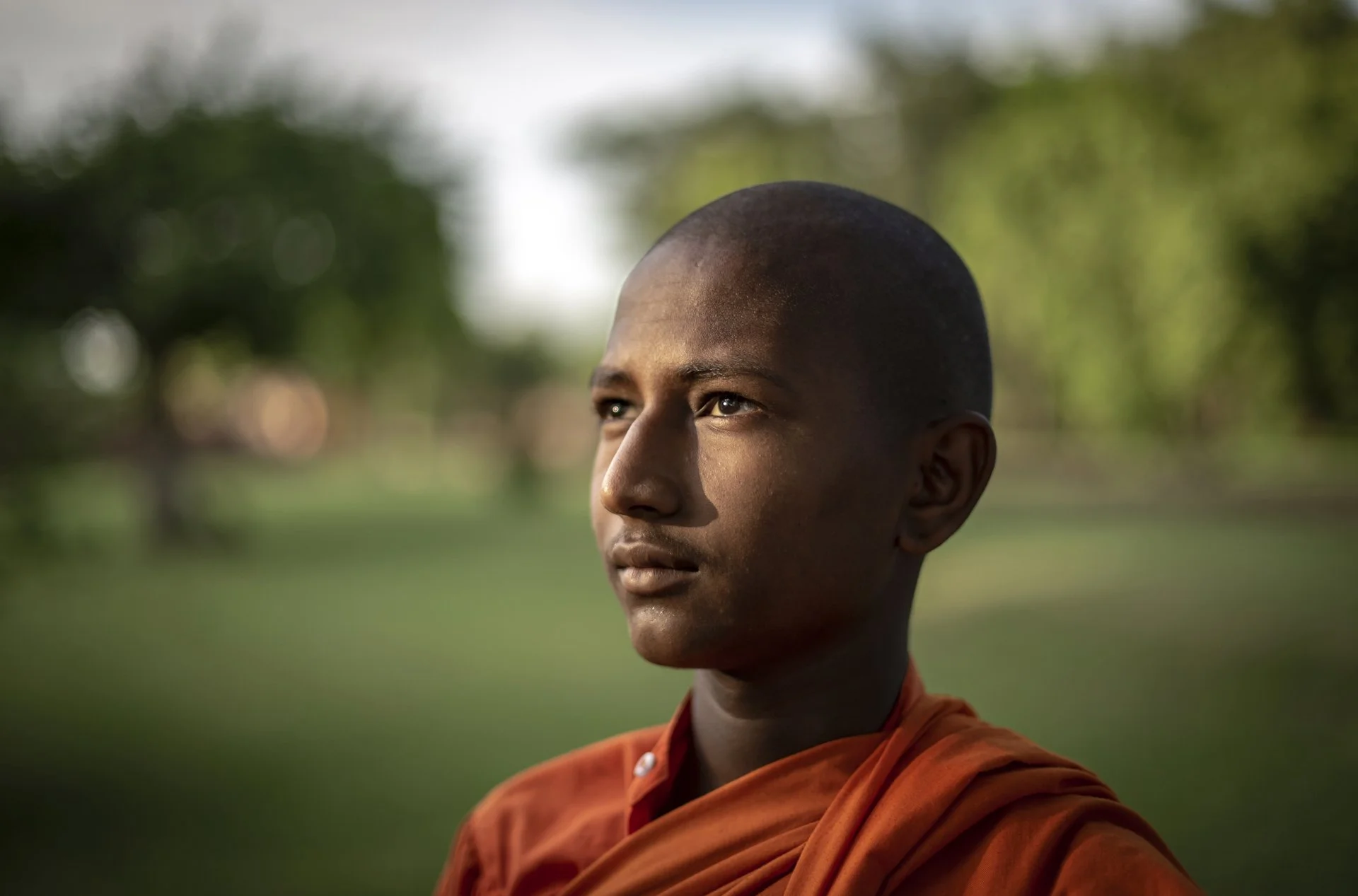
A monk in training, Sravasti

Monk, Sravasti

Sacred hills where Buddha meditated and taught, Vulture's Peak, Rajgir
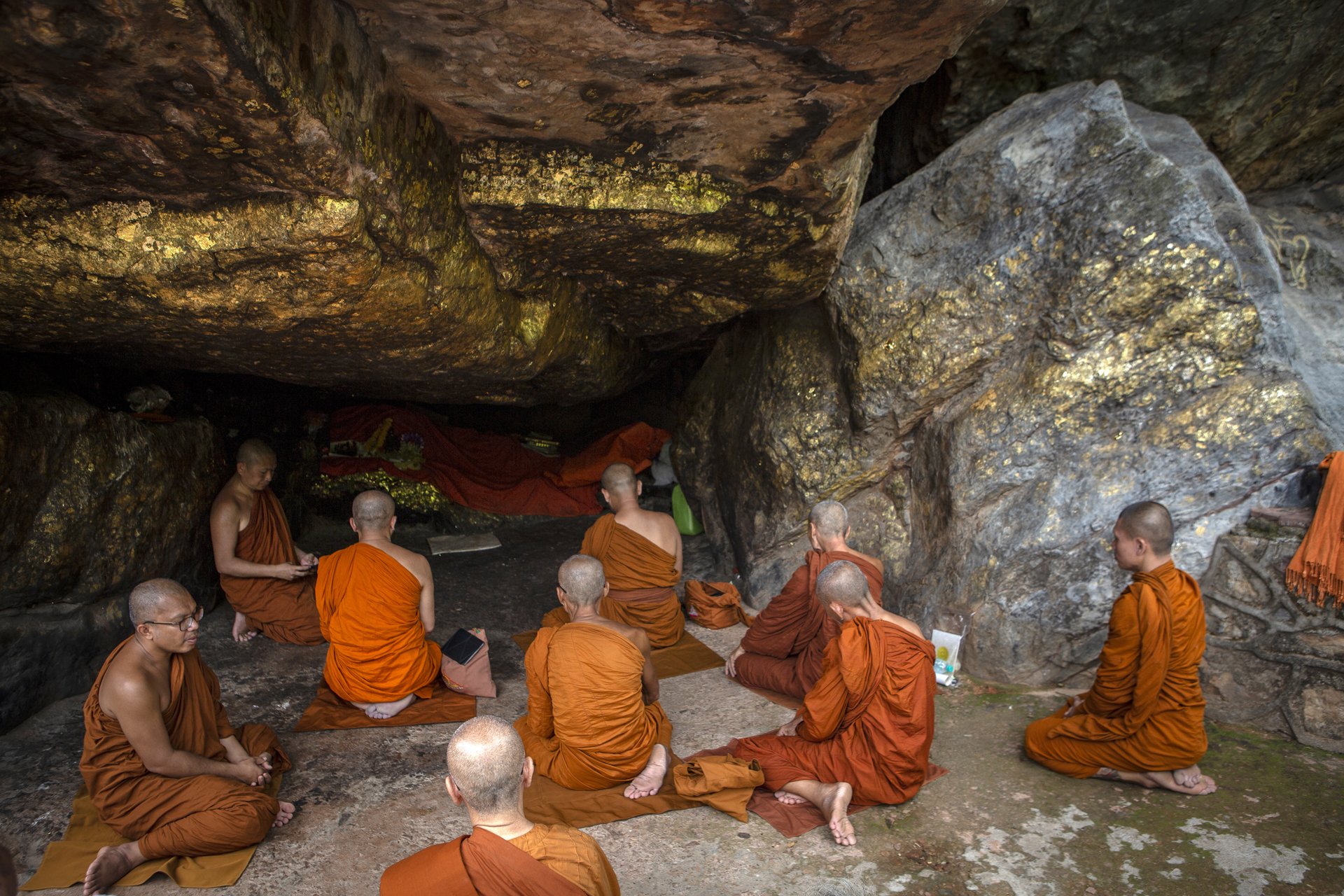
Thai Monks, Rajgir
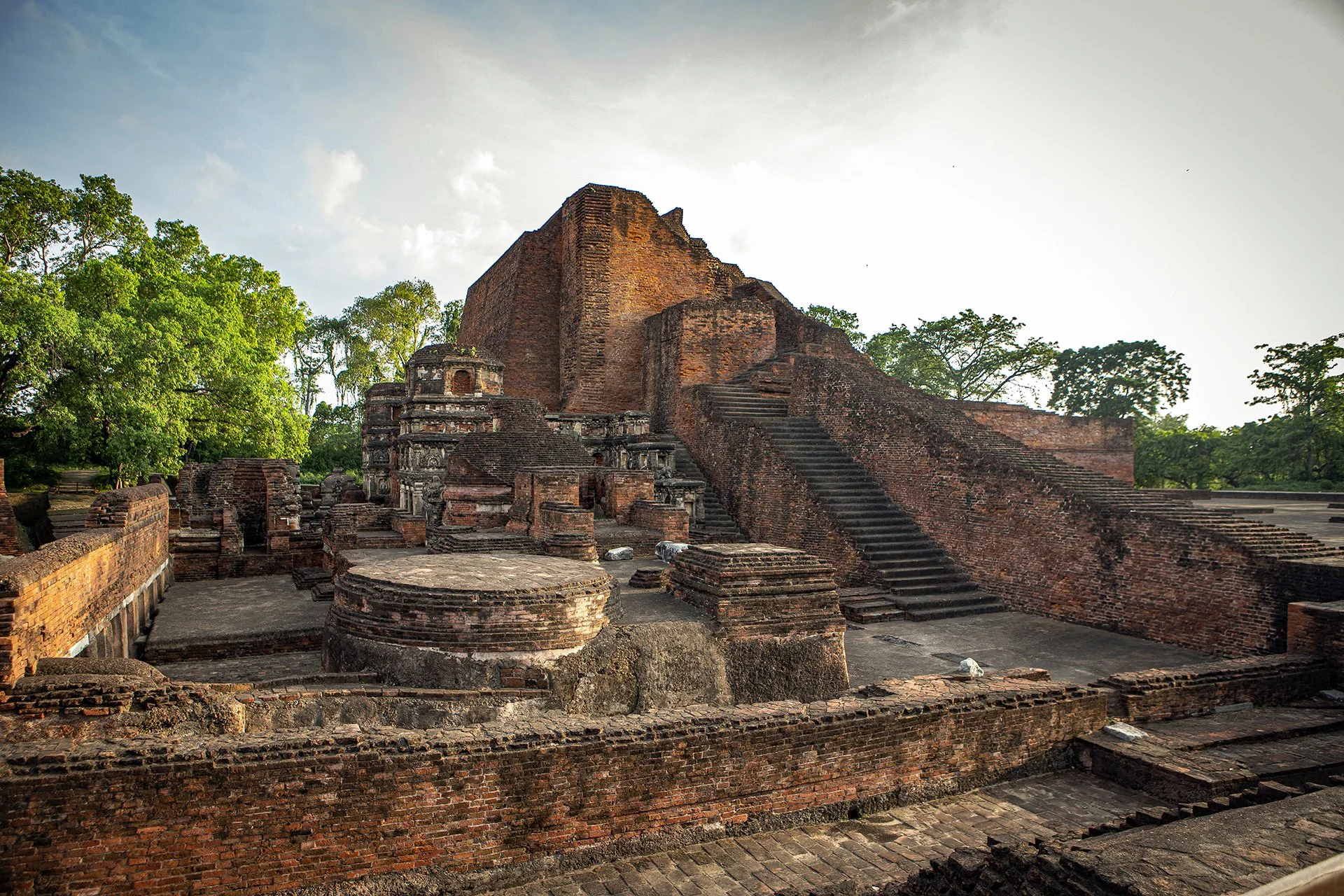
Ancient Buddhist university, cradle of global learning, Nalanda
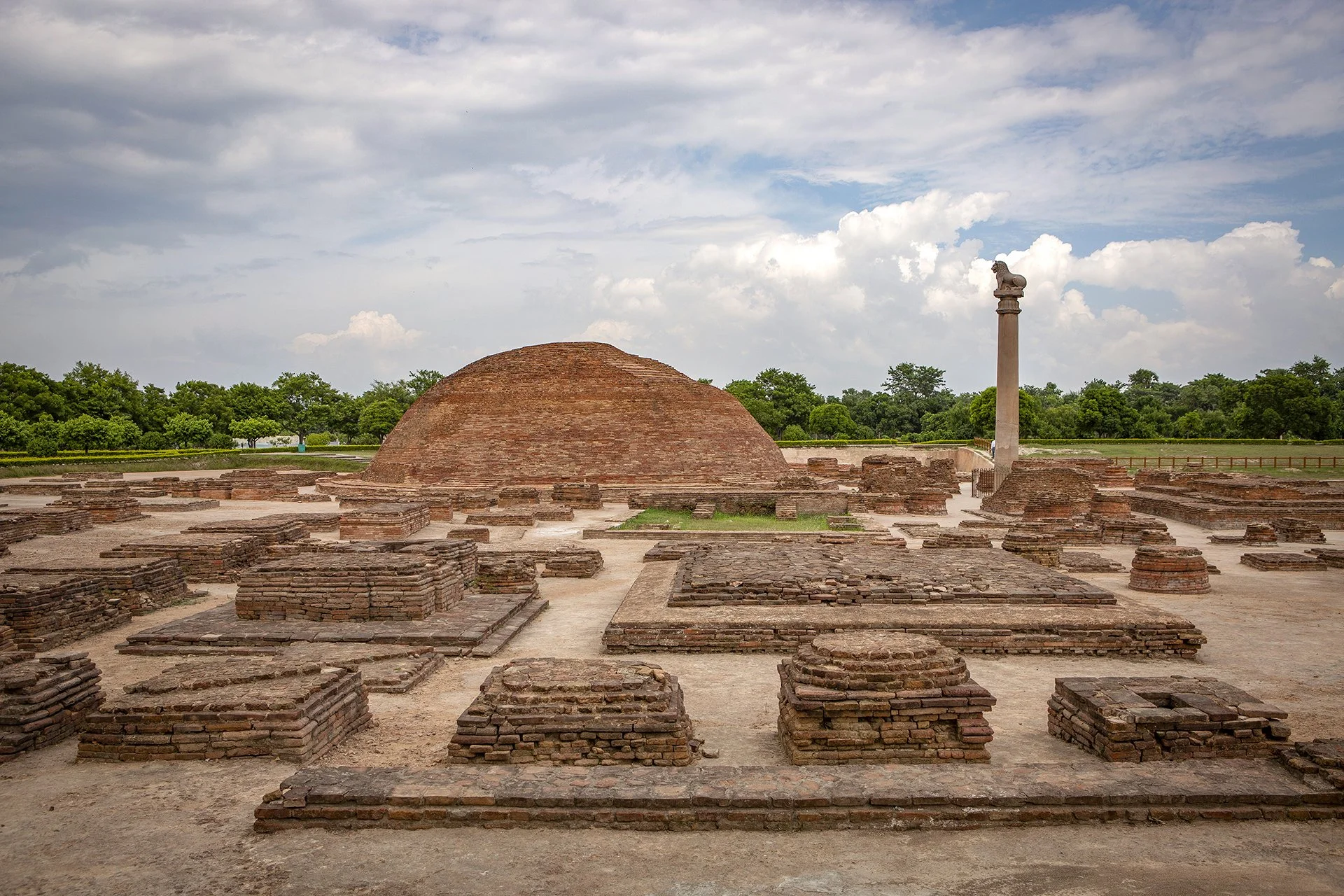
The final sermon, Vaishali

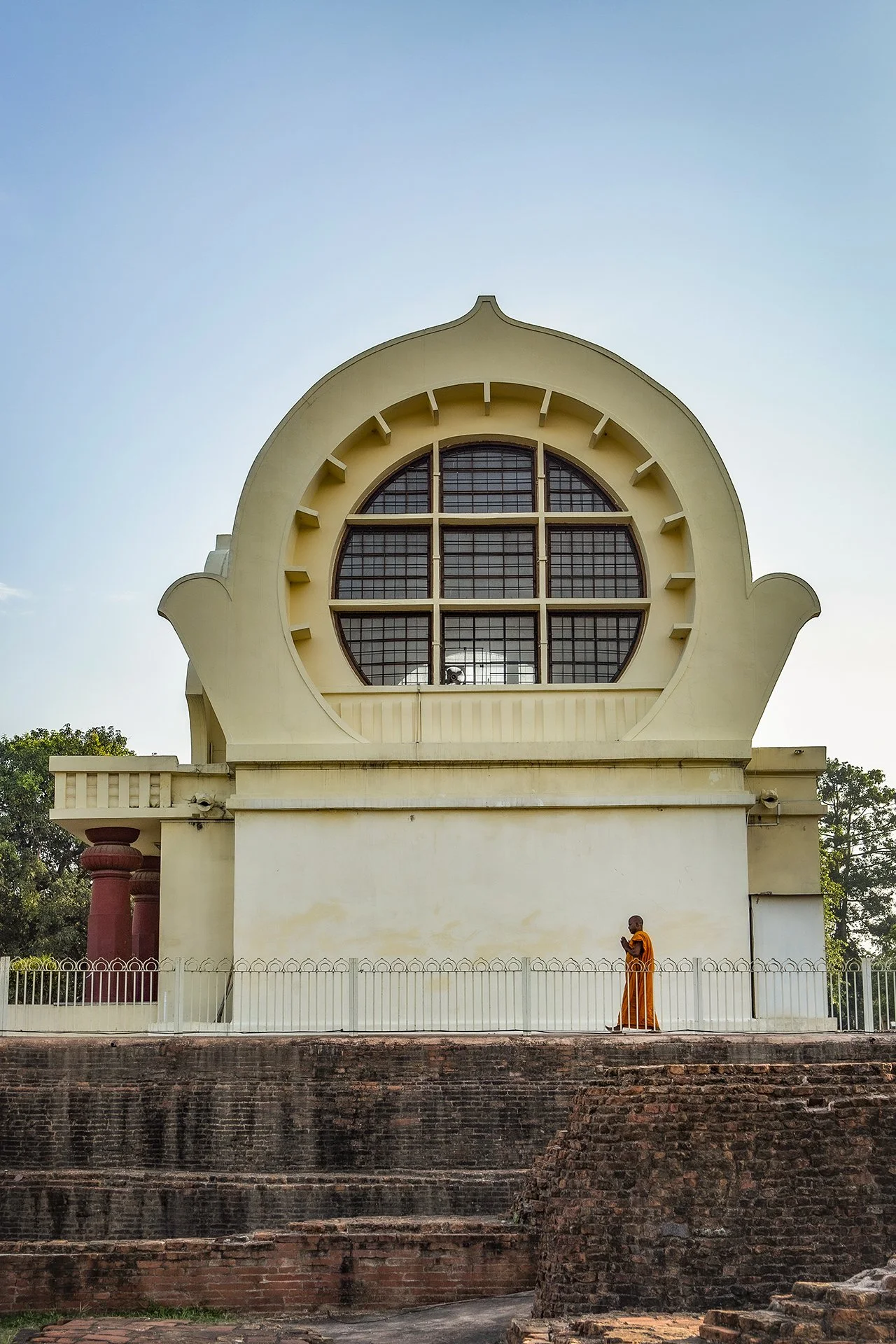
Mahaparinirvana Temple, Kushinagar

Where the Buddha attained Mahaparinirvana, the great final Nirvana, Kushinagar

PIlgrims, Kushinagar
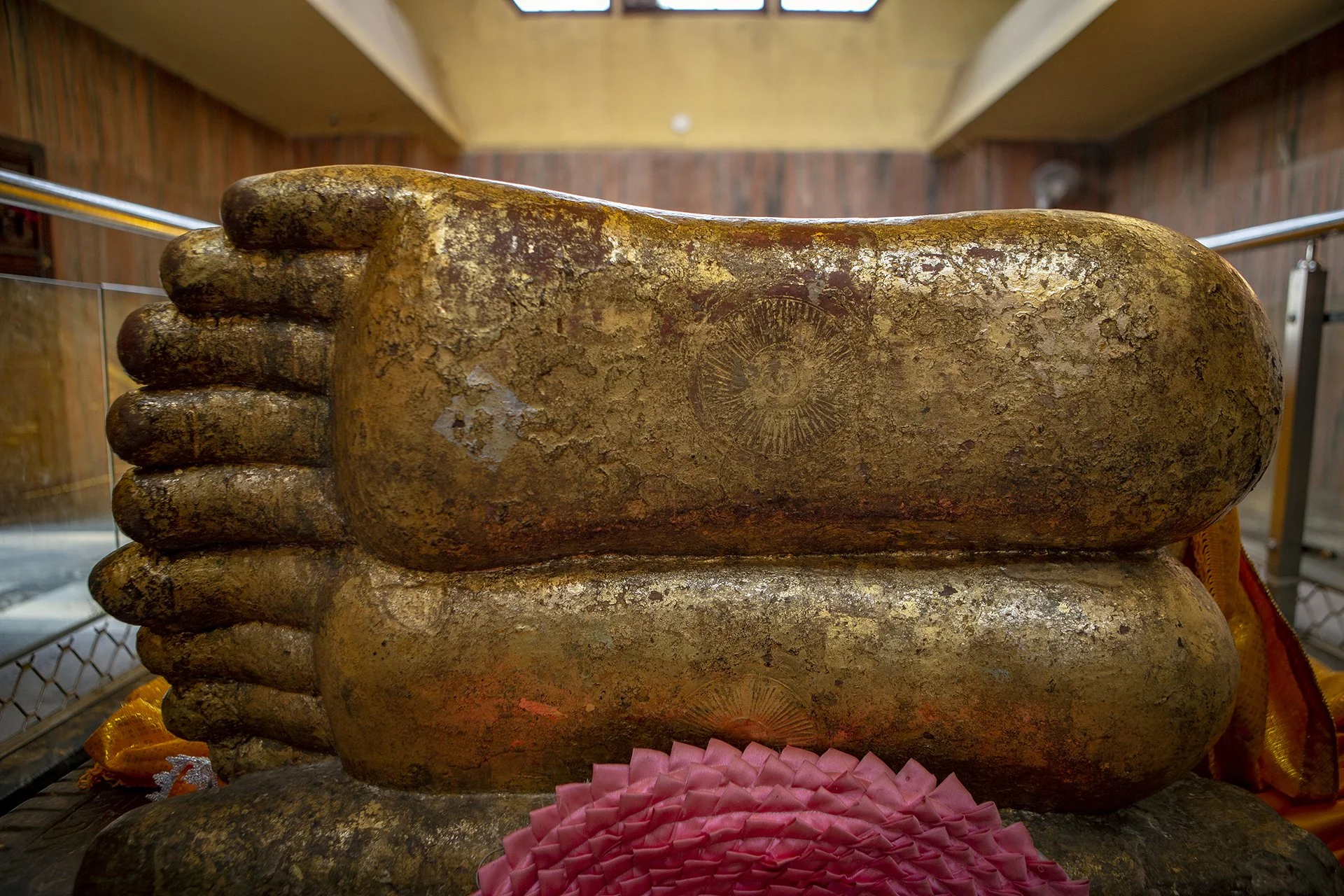
Where the Buddha rests, Kushinagar
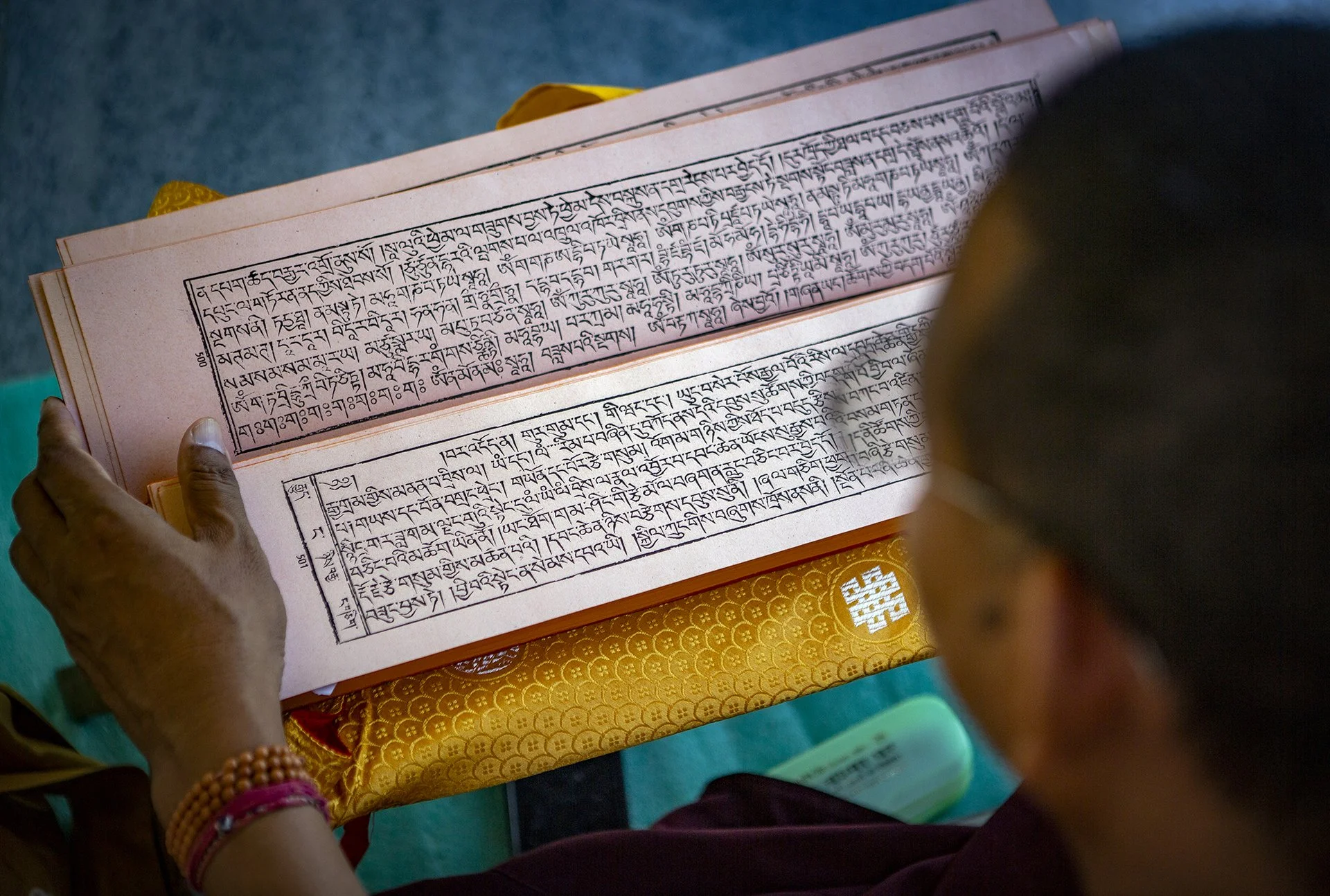
Sacred Buddhist scriptures, Kushinagar

Monastery, Bodh Gaya

Meditation, Bodh Gaya

Humans and animals co-exist peacefully, Bodh Gaya
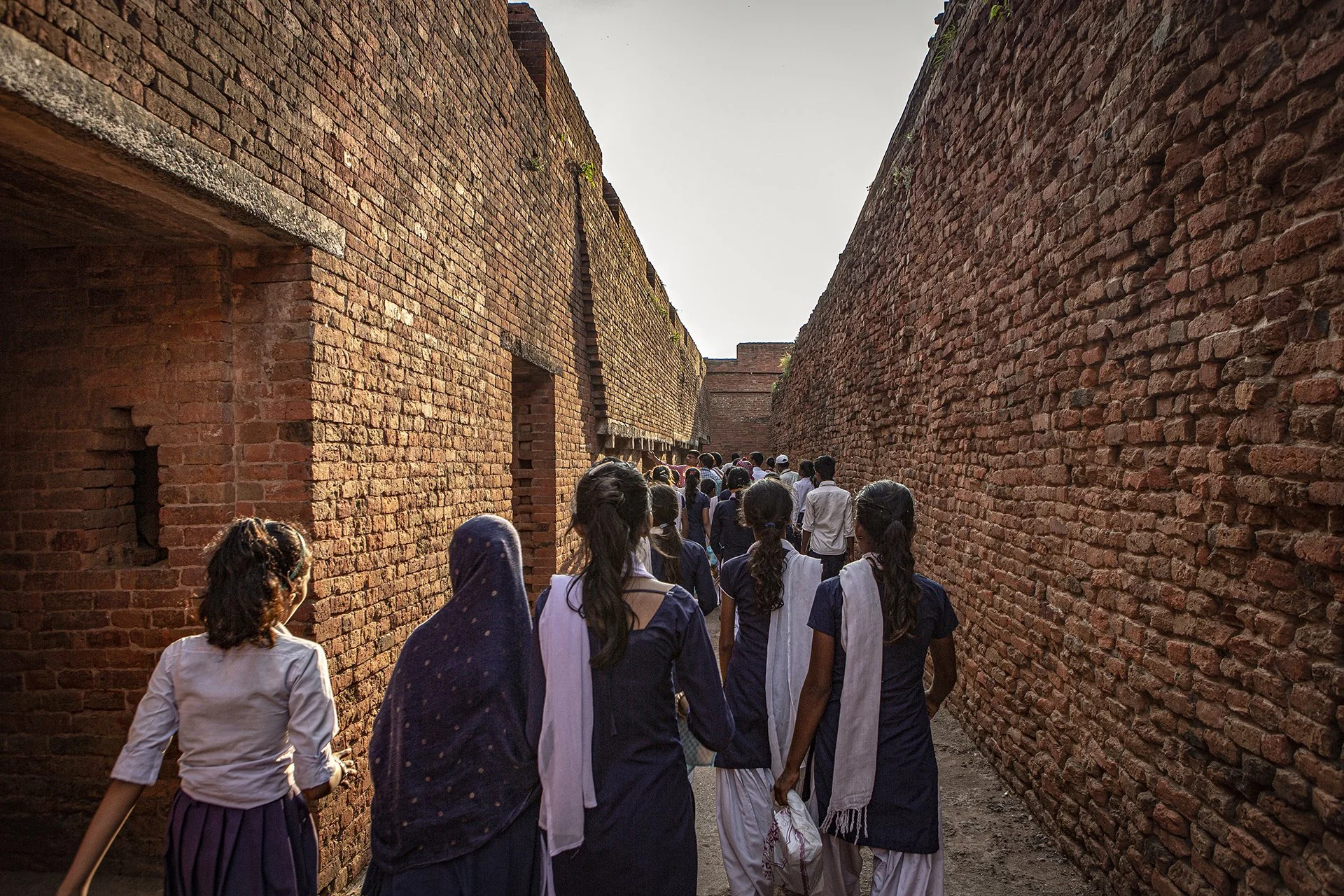
Ancient Buddhist university, cradle of global learning, Nalanda
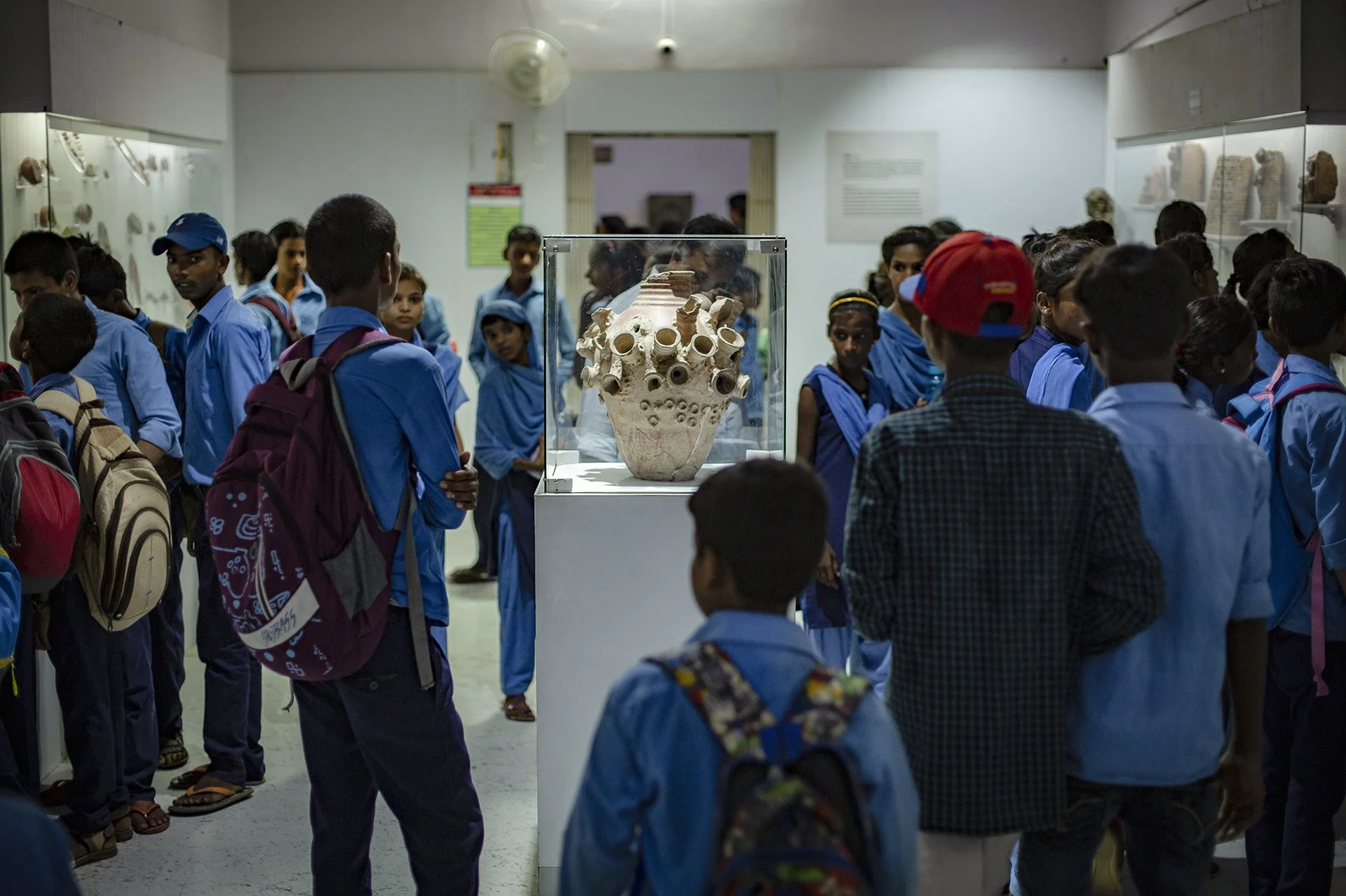
A living legacy of learning, Nalanda
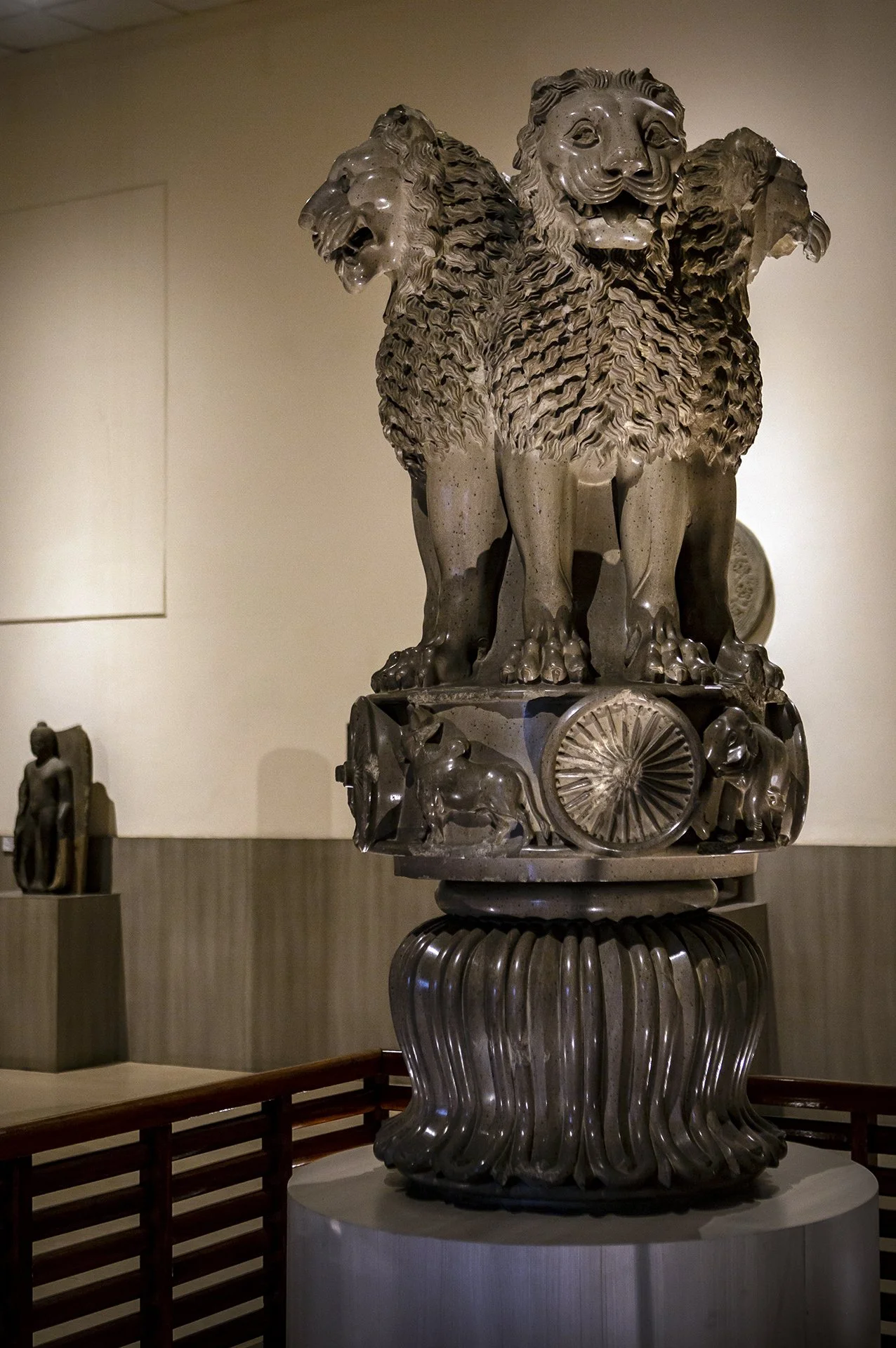
The Lion Capital of Ashoka, symbol of the Indian state, representing the Buddha’s teaching and the turning of the Dharma Wheel, Sarnath
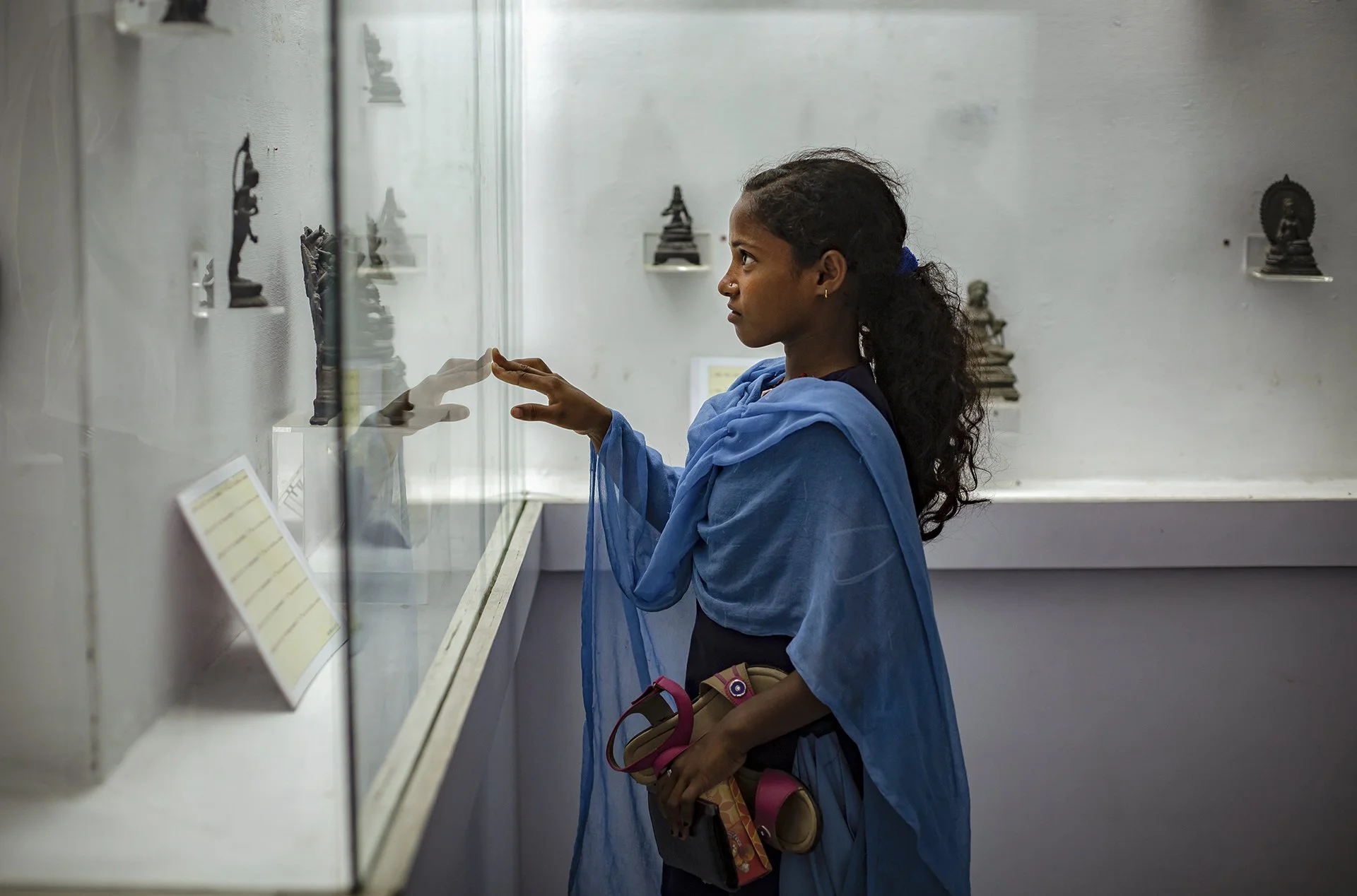
A living legacy of learning, Nalanda
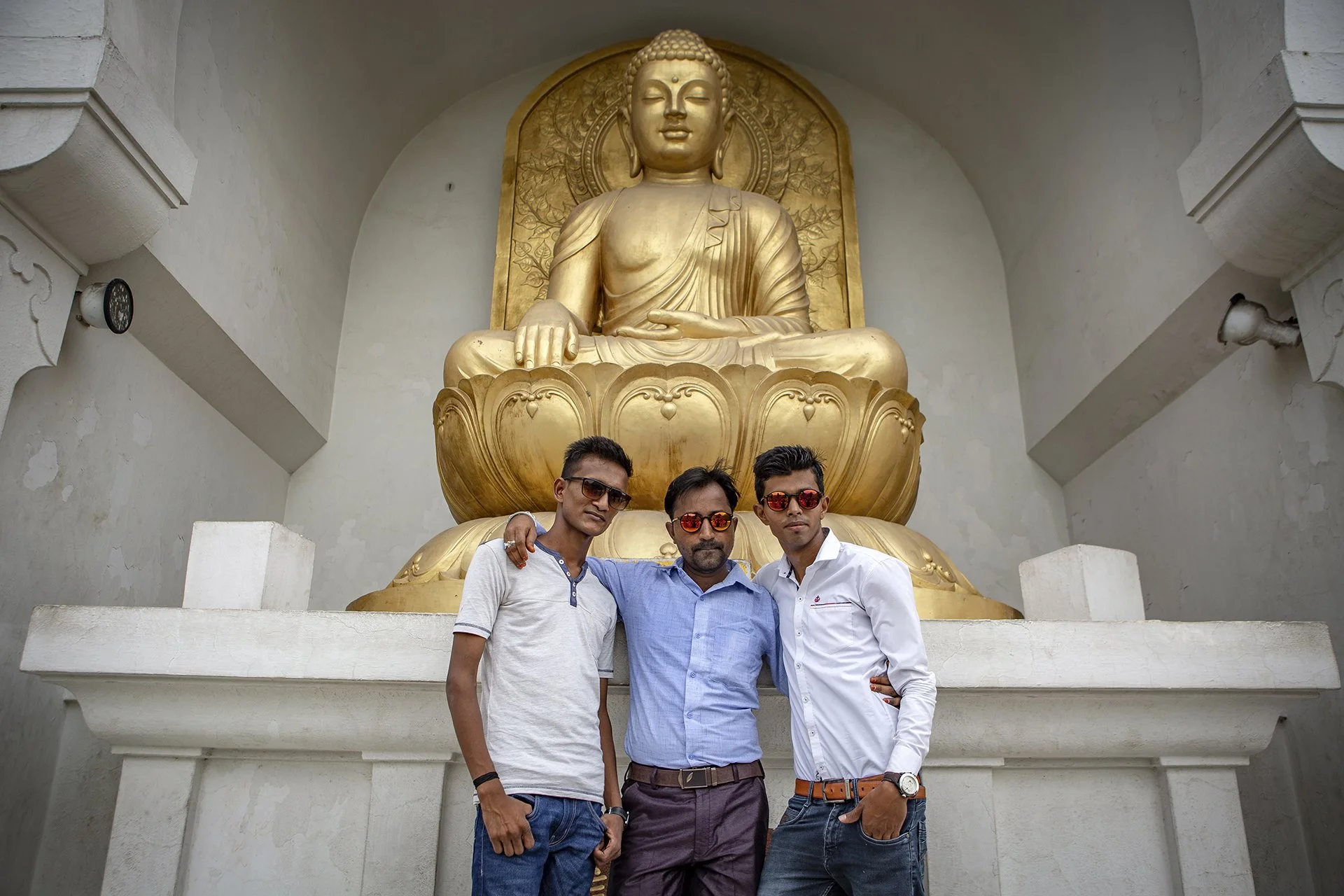
Tourists at a Buddhist site, Vaishali
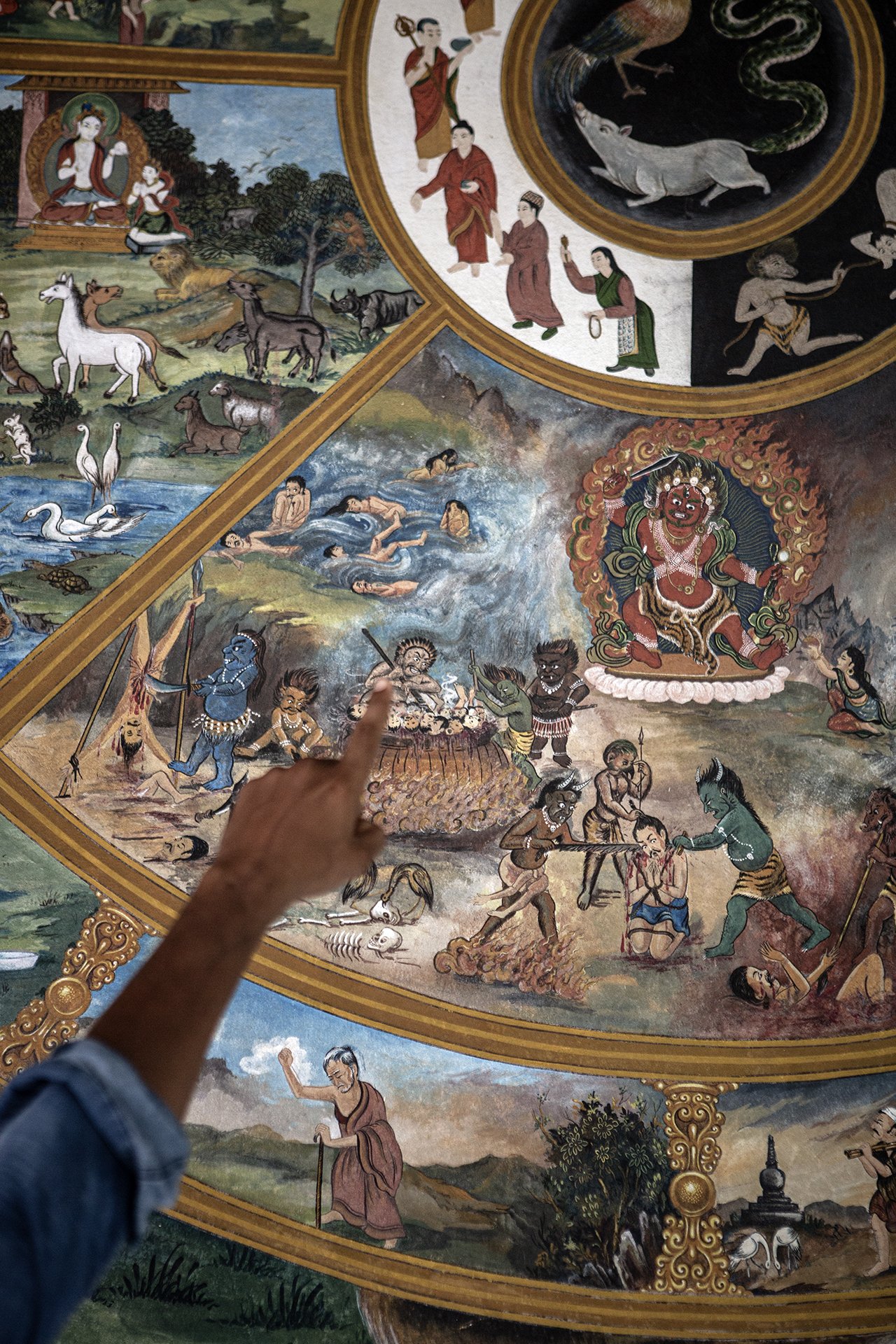
Mural depicting of the Wheel of Life, a symbolic representation of samsara, the cycle of birth, death and rebirth, Lumbini
In The Footsteps of the Buddha traces the life and teachings of Siddhartha Gautama, the Buddha, through the geography of his lived experience — from his birthplace in Lumbini and early years in Kapilavastu, to his enlightenment in Bodh Gaya, his sermons in Sarnath and Shravasti, and finally, Kushinagar, where he attained the great final nirvana. The journey also traversed Rajgir, Nalanda and Vaishali among other significant Buddhist sites, each layered with history, faith and evolving cultural memory.
Photographing these sacred sites became an inquiry into the nature of belief and the shared human search for meaning. Serene and meditative, they evoked a sense of timelessness, introspection and calm. In contemporary India, the legacy of Buddhism also intersects with questions of caste and equality — a reminder that its message of compassion and liberation remains both philosophical and social in its relevance.
This collective documentation — exhibited internationally and presented as a book — seeks to contribute to the preservation of South Asia’s Buddhist heritage, foregrounding its architectural and cultural legacy as an enduring part of our shared human story.
(This project was Commissioned by UNESCO France and the Alliance de Protection du Patrimoine Culturel Asiatique / Oriental Cultural Heritage Sites Protection Alliance.)